
by Elizabeth Engler on Jun 25, 2026, 10:30:01 AM
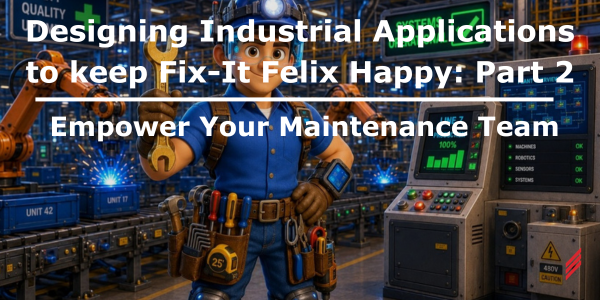
In Part 1 of this series on designing industrial applications to keep Fix-It Felix happy, we explored hardware choices, product selection, system design, and programming practices
Now in Part 2, we focus on empowering your maintenance team, so they perform at their best every day. These are the skilled professionals who oil the joints of the system through ongoing preventative maintenance and monitoring. When issues arise, they’re the first responders who step in to rescue production and minimize costly downtime. Invest in their tools, technology, skills and comfort to develop a formidable force ready to win the game.
The Maintenance Arsenal
Give Them the Right Tools
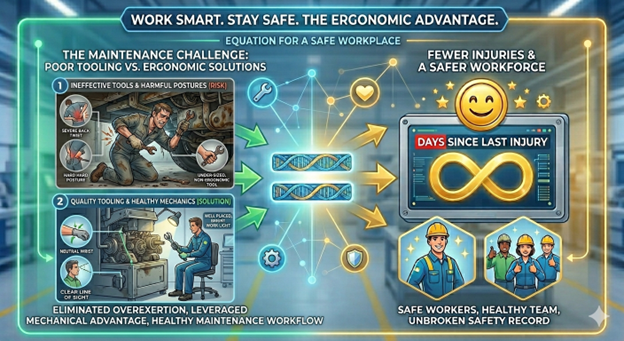
A quality set of ergonomic tools are your best friend for any maintenance task. Poor tools cause mistakes, let you down when you need them most, or turn a 10-minute fix into an hour-long wrestling match. Reduce awkward tools which require strain and enjoy fewer injuries and happier technicians.
Invest in the Right Computer
For teams commissioning, diagnosing, or programming PLCs, HMIs, drives, and a capable workstation are essential and often part of a broader industrial automation and controls engineering approach. The minimum specs may be sufficient for supporting 1-2 machine and device versions and a handful of programs but to handle more go with the upper recommendation.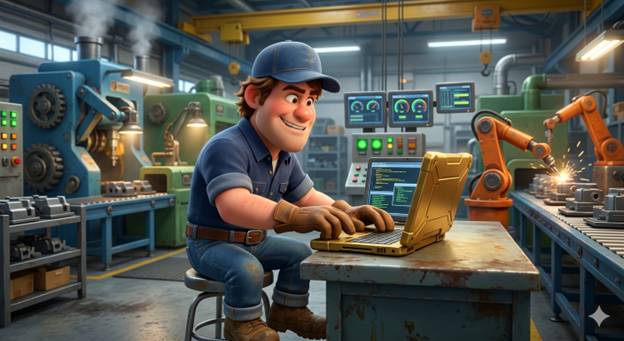
Recommended specs:
- 500GB-1TB SSD
- 32GB+ RAM
- Processor: 4 core minimum, 8+ for VMs, 14+ for heavy concurrent use.
- Multiple built-in ports: Ethernet, USB-A, HDMI, USB-C. Also carry adapters for USB-to-Ethernet as backup.
Also:
- Store VMs on external SSDs to declutter main drive
- Maintain clean base OS images
- Separate environments by software version and brand
- Consider Windows IOT for VMs running controls software
Training and Documentation
Give maintenance teams the training they need, especially to achieve well-designed industrial systems and maintenance strategies. Pair that with:
- Clear documentation of all common tasks, replacements, and repairs
- Standardize procedures and keep updated
- Strong knowledge transfer practices
Comfortable PPE Matters
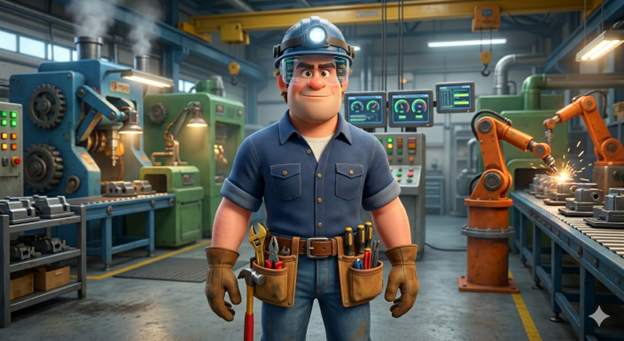
Comfort directly impacts performance.
Poor-fitting PPE leads to:
- Headaches and Impaired Thinking
- Pain and Fatigue
- Frustration and Rushed Work
- Mistakes
- Non-compliance and injury
Invest in:
- Supportive footwear
- Lightweight, well-fitted hard hats
- Comfortable eye and ear protection
Comfortable workers stay focused and can apply level-headed problem-solving. Discomfort leads to frustration, rushed work, errors, higher injury rates, and increased turnover.
Ill-fitting hard hats cause headaches. Poor safety shoes lead to plantar fasciitis, blisters, bruises, and chronic foot and back pain. These impair thinking, cloud judgement, and tempt people to cut corners just to get the gear off faster.
Invest in supportive, well-fitted safety shoes (with orthotic inserts if needed), high quality hard hats with padding and lightweight design, and built in eye and ear protection or well-fitting safety glasses. Inevitably, improved safety compliance and injury prevention will follow with comfortable high-quality PPE.
Final Thoughts
Keeping plant processes running smoothly starts with taking care of the people who maintain and run them.
When you combine thoughtful system design (Part 1) with a well-equipped, well-supported maintenance team (Part 2), you create an environment where issues are easier to prevent, faster to resolve, and far less disruptive to production.
If you’re evaluating how your current systems and team support long-term reliability, reach out to our team to start the conversation.
About the author
Elizabeth Engler is a Controls Integrator with diverse experience across controls design, programming, and software development. She enjoys logical challenges, user interface design, and programming machines to bring customer's visions to life. In her free time, Elizabeth enjoys gardening, mysteries, movies, and time with family.
Read My Hallam Story
About Hallam-ICS
Hallam-ICS is an engineering and automation company that designs MEP systems for facilities and plants, engineers control and automation solutions, and ensures safety and regulatory compliance through arc flash studies, commissioning, and validation. Our offices are located in Massachusetts, Connecticut, New York, Vermont, North Carolina and Texas and our projects take us world-wide.
Three Ways to Increase Reliability in Electrical Distribution
Designing Industrial Applications to keep Fix-It Felix Happy: Part 1
No Comments Yet
Let us know what you think