
by Elizabeth Engler on Jun 11, 2026, 10:30:01 AM
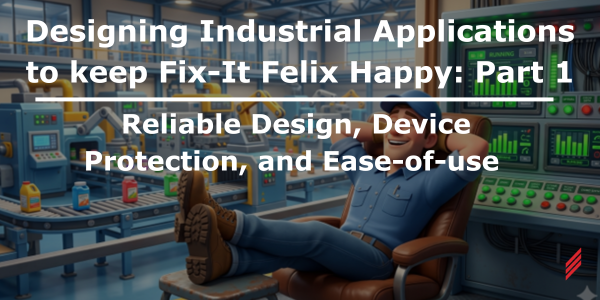
Imagine showing up to work as a maintenance technician with no fires to put out, no surprise breakdowns, and all your machine statuses clearly displayed in real time on a dashboard through well-designed SCADA and data visualization systems
It almost feels too good to be true, but this is what we aim to make the norm.
Why This Matters
Sure, some people enjoy staying busy knocking out tasks until the shift flies by. We like being productive too, but we’d much rather spend our time on improvements, updates, and preventive work than racing to fix a broken machine while the clock ticks on expensive, stressful downtime.
Hardware and Installation Choices
Choose Reliable, Low-Maintenance Equipment
When selecting new equipment or planning system upgrades, choose devices known for reliability, true “set-it-and-forget-it” performers.
You should be getting the information you need without constant reconfiguration, repair, or replacement over the life of the system.
Where possible, opt for non-contact instrumentation like ultrasonic or radar sensors. These eliminate the need to drill into pipes, making installation faster, cleaner, and less disruptive.
For a real-world example, check out our ultrasonic flow meter installation guide and data insights to see how non-contact instrumentation can simplify installation and improve system visibility.
Simplify Wiring, I/O, and Networking
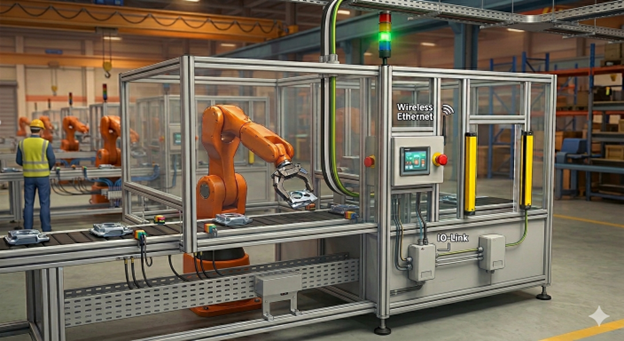
Simplify and consolidate wiring and I/O wherever possible using technologies like:
- IO-Link
- Ethernet-based I/O
- AS-i or other remote I/O solutions
These allow more data over fewer cables and use secure connections that are less likely to come loose.
Since over 50% of service calls and connection issues come down to wiring problems, this can significantly reduce outages, installation time, and ongoing maintenance.
Even better, reduce wiring altogether using:
- Wireless Ethernet
- Wireless IO-Link
- WiFi, LoRaWAN, or industrial radio systems
When hardwiring is necessary, route cables out of harms way in cabinets, conduit, walls, or overhead, well clear of moving parts and operators.
Material & Product Selection
Quality equipment rarely breaks.
Choose products with proven durability and materials suited to the environment:
- Fiberglass for shock heavy, chemical, corrosive, washdown or salty environments.
- Stainless steel for impact resistance
- Superalloys for extreme chemical exposure
Choose products with proven durability and materials suited to the environment:
Also prioritize products with:
- Strong manufacturer or industry support
- Extensive documentation
- Short learning curves
Time-Saving Hardware Tips
- Use modular I/O connectors for quick swaps
- Match relay type to application (solid-state for longevity, mechanical for heat or inductive loads)
- Avoid embedded relays in output blocks – Instead use a standard block with interposing solid-state relays (cost-effective, easier to identify breaks and replace)
- Work with vendors and integrators to compare options
Design and Programming for Maintainability
Standardize Your Systems
Keeping production lines consistent yields these benefits:
- Fewer programs to maintain
- Simpler spare parts management
- Faster repairs and troubleshooting
Use tools like Network Address Translation (NAT) to make network structures across machines uniform while maintaining unique plant-level addressing. Also develop an upgrade schedule to keep firmware and device versions consistent across the entire plant.
Keep out “Mischief”
Lock down devices wherever possible using password protection to prevent unauthorized changes by well-meaning people and/or troublemakers.
Organize Your Code
Well-structured code with smart error handling makes everything easier.
Common Approaches:
- Classic Ladder Logic: Simple and easy to read, but can become complex quickly
- State Machines: Ideal for sequences and troubleshooting visibility.
- Sequential Function Charts: Visual and intuitive for tracking process flow
Structure Your I/O and Alarms
Troubleshooting is faster and more intuitive when you:
- Map physical I/O tags to logical program tags
- Keep alarm logic centralized
- Group alarms by system or machine area
Use Built-In Troubleshooting Tools
Most modern platforms provide powerful tools, use them.
Examples include:
- Backup/restore via SD cards
- Tag trending and diagnostics
- Parameter management between PLCs and drives
- Built-in commissioning and simulation tools
Major platforms like Rockwell, Siemens, Beckhoff, Keyence, Rexroth, and Omron all offer tools that can dramatically reduce troubleshooting time, if they’re used effectively.
Final Thoughts
With systems designed for protection, reliability, and ease of use, you can significantly reduce unexpected breakdowns and the day-to-day firefighting that comes with them.
That said, even the best-designed systems aren’t immune to wear, failure, or the occasional unexpected issue. Ongoing preventive maintenance and well-supported teams remain essential to keeping operations running smoothly.
If you’re evaluating your current system design or looking for ways to improve reliability and maintainability, reach out to our team to start the conversation.
In Part 2, we’ll shift focus to the maintenance side, how to equip your team with the tools, training, and systems they need to handle whatever comes next.
About the author
Elizabeth Engler is a Controls Integrator with diverse experience across controls design, programming, and software development. She enjoys logical challenges, user interface design, and programming machines to bring customer's visions to life. In her free time, Elizabeth enjoys gardening, mysteries, movies, and time with family.
Read My Hallam Story
About Hallam-ICS
Hallam-ICS is an engineering and automation company that designs MEP systems for facilities and plants, engineers control and automation solutions, and ensures safety and regulatory compliance through arc flash studies, commissioning, and validation. Our offices are located in Massachusetts, Connecticut, New York, Vermont, North Carolina, Texas and California and our projects take us world-wide.

Inspired Engineering – Things I learned in My First Hallam Year

Can Colorblind People Work in the Electrical Field?
No Comments Yet
Let us know what you think