
by Hallam-ICS Editorial Team on Dec 16, 2025, 10:30:00 AM

In life sciences, safety and compliance protect more than schedules and budgets. They protect patients, products, and your license to operate. That is why validation in life sciences is essential. It provides documented evidence that equipment, software, utilities, and processes are fit for use and can perform consistently over time.
If you manage a facility, quality program, or capital project, you already know the challenge. Regulations evolve, equipment grows more complex, and you must coordinate commissioning, qualification, and computer system validation while maintaining production uptime. A structured, standards-based approach makes the difference. Hallam-ICS supports FDA-regulated environments with commissioning and validation that ensure safe startup, traceable documentation, and compliance with Good Manufacturing Practice (GMP) and good engineering principles.
What is Validation in Life Sciences?
Validation in life sciences is a documented process that proves facilities, equipment, utilities, software, and processes meet user and regulatory requirements and can perform reliably over time. It combines commissioning, qualification, and computer system validation with evidence-based documentation to demonstrate GMP compliance.
Why Validation Matters for Compliance and Safety
Validation ensures systems are designed, installed, and operated in a way that protects product quality and patient safety. It identifies issues before they affect manufacturing outcomes and creates a traceable record for regulators. In a GMP facility, validation confirms that critical systems such as purified water, HVAC, autoclaves, and process control software operate within approved limits. The outcome is consistent product quality, trained personnel, and documented proof of control, key requirements under 21 CFR Parts 210 and 211 and EU GMP Annex 15.
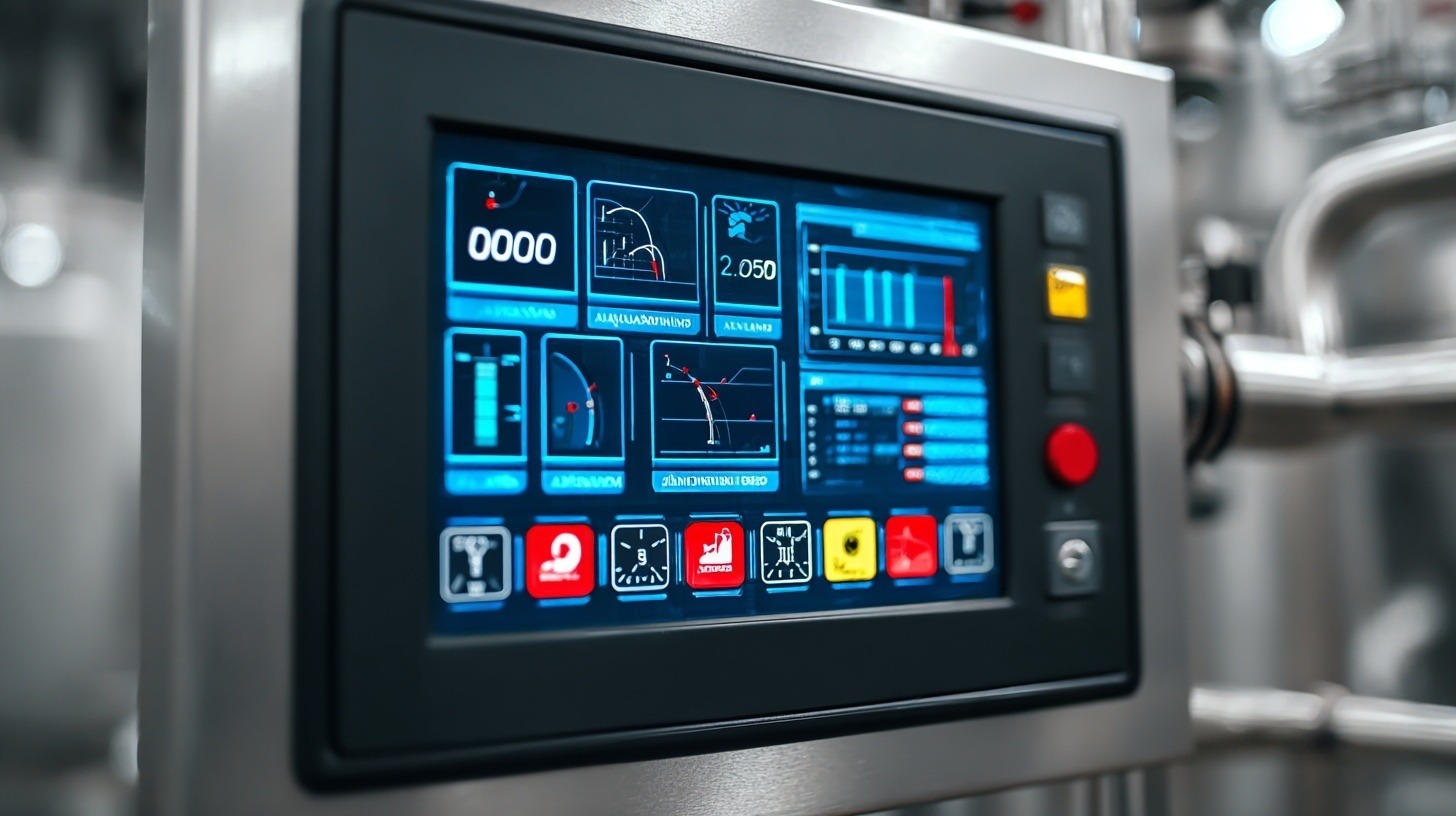
Commissioning and Validation in Life Sciences: How the Pieces Fit
A risk-based lifecycle approach integrates commissioning and validation in life sciences so that early design testing supports regulatory qualification. This sequence aligns with ISPE and GAMP 5 frameworks.
1) Commissioning
Commissioning verifies that systems function according to design specifications. It includes inspection, calibration, and functional testing. Issues found are resolved early to prevent GMP deviations. Commissioning forms the foundation for later qualification and saves time by avoiding redundant testing.
2) Qualification
Qualification focuses on systems that directly impact product quality or patient safety. It follows the IQ (Installation Qualification), OQ (Operational Qualification), and PQ (Performance Qualification) structure. These tests confirm that systems operate within specified tolerances and can maintain control during routine use.
3) Computer System Validation (CSV) and Computer Software Assurance (CSA)
CSV applies to automation, SCADA, and MES systems. It ensures electronic records and signatures comply with 21 CFR Part 11 and that functions perform as intended. The newer CSA approach emphasizes risk-based testing to focus on high-impact functions while maintaining compliance.
Practical takeaway: Start risk assessments during design. Use commissioning results to eliminate non-GMP risks. Then, focus IQ and OQ on critical systems to reduce duplication and speed validation without sacrificing compliance.
Core Elements of a Strong Validation Program
Clear scope and risk-based planning
Define which systems are GMP-critical using impact assessments. Link each risk to specific controls or tests. Use a traceability matrix to connect requirements, test results, and acceptance criteria. This provides full visibility and audit readiness.
Standardized documents and version control
Consistent templates for the Validation Master Plan (VMP), User Requirements Specification (URS), FAT/SAT, IQ/OQ/PQ, and deviation forms help maintain control. Version control ensures that only approved documents are executed.
Training and turnover readiness
Validation is incomplete until the operating team is trained. SOPs, maintenance plans, and calibration schedules must match the validated state. This ensures the system remains compliant through its lifecycle.
Data integrity and electronic records
GMP validation requires compliance with ALCOA+ principles: data must be attributable, legible, contemporaneous, original, accurate, complete, consistent, enduring, and available. Systems that generate electronic records must also meet 21 CFR Part 11 requirements for audit trails, security, and e-signatures. These controls ensure traceability across automation and control platforms.

What GMP Validation Requirements Include
Every GMP validation program should include the following elements:
- Validation Master Plan (VMP): Defines the scope, strategy, and responsibilities for validation across facilities, equipment, utilities, and computerized systems.
- User Requirements Specification (URS): Documents how the system must function to support GMP operations, including alarms, control ranges, and data collection.
- Design and Risk Assessments: Confirms the design meets user needs and identifies critical aspects that require testing.
- Qualification Protocols (IQ/OQ/PQ): Installation verifies setup; operational confirms control functions; performance confirms sustained reliability under production conditions.
- Computer System Validation (CSV): Ensures software operates consistently and maintains compliance with 21 CFR Part 11.
- Change Control and CAPA: Controls how modifications, deviations, or improvements are evaluated and approved while maintaining the validated state.
A compliant validation program must be traceable, risk-based, and continuously maintained through controlled change management.
Validation Touchpoints Across Typical Life Sciences Systems
Cleanroom HVAC and environmental monitoring
Validation confirms that pressure, temperature, humidity, and particulate levels meet ISO classifications and can remain in control. Environmental monitoring systems are qualified for accuracy, alarm response, and data integrity.
Utilities and critical equipment
Purified water, clean steam, compressed air, and autoclaves must meet quality attributes such as conductivity, TOC, and bioburden. Equipment validation confirms these parameters consistently meet acceptance criteria.
Process control and data systems
Validated automation ensures that batch logic, interlocks, and data collection are controlled and secure. Validation includes testing of alarms, reporting, and user access under 21 CFR Part 11.
Avoiding Common Pitfalls
- Separating commissioning and validation
Linking commissioning results to qualification reduces redundancy and documentation load. This is a best practice in the ISPE Baseline Guide Vol. 5. - Incomplete traceability
Missing links between requirements and tests cause audit findings. A complete traceability matrix ensures end-to-end visibility. - Underestimating computer validation effort
Automation systems need security, audit trails, and backup validation. Risk-based testing focuses effort where it impacts GMP. - Deferring training and SOP development
Operations readiness must be validated before handover. Include operator training and maintenance instructions in the validation scope.

When to Bring in a Validation Partner
Bring in experts when complex systems, accelerated timelines, or new technologies make in-house resources insufficient. An integrated partner like Hallam-ICS combines engineering design, automation, and life sciences validation services to align compliance from concept through turnover. The result is faster startup and sustained GMP control.
Related Hallam-ICS Resources
- Explore how commissioning activities support qualification in leverage commissioning to support qualification
- Learn more about autoclave qualification
- See how validation ensures data integrity in cGMP environments
For broader expertise, explore:
- Commissioning and validation services
- Process control system integration
- Life sciences engineering solutions
FAQ: Validation in Life Sciences
What documents prove a system is validated?
A Validation Master Plan, URS, design specifications, FAT/SAT, IQ/OQ/PQ, executed protocols, deviation reports, and a final summary report form the core validation package. CSV records are required for automated systems.
How do commissioning and validation work together?
Commissioning verifies design and function. Validation adds documented evidence that the system performs reliably under GMP controls. Coordinating both avoids rework and accelerates project completion.
What are typical GMP validation requirements for automation systems?
Automation validation includes software risk assessment, user access control, audit trails, testing of critical functions, and data integrity verification per 21 CFR Part 11.
How often should validated systems be reviewed?
Validated systems should be periodically reviewed or requalified based on change, deviation, or risk impact. Many facilities perform periodic reviews every 1 to 3 years.
Can validation improve energy and reliability performance?
Yes. Proper commissioning and validation confirm control sequences and interlocks work efficiently, which enhances reliability and may reduce energy waste.
Turn Validation Challenges into Reliable, Compliant Systems
Whether you are launching a new GMP facility or upgrading critical systems, our engineers can help ensure every process meets validation standards and runs with confidence.
Talk with Hallam-ICS about your next life sciences validation project.
About Hallam-ICS
Hallam-ICS is an engineering and automation company that designs MEP systems for facilities and plants, engineers control and automation solutions, and ensures safety and regulatory compliance through arc flash studies, commissioning, and validation. Our offices are located in Massachusetts, Connecticut, New York, Vermont, North Carolina and Texas, and our projects take us world-wide.


The Benefits of Turnkey Engineering Solutions: One Partner from Design to Commissioning
The Soft Side of Control Systems Integration
No Comments Yet
Let us know what you think