
The Role of Personal Protective Equipment in Electrical Safety
by Steven Skoll on Jul 30, 2026, 10:30:01 AM
Understanding Electrical Hazards
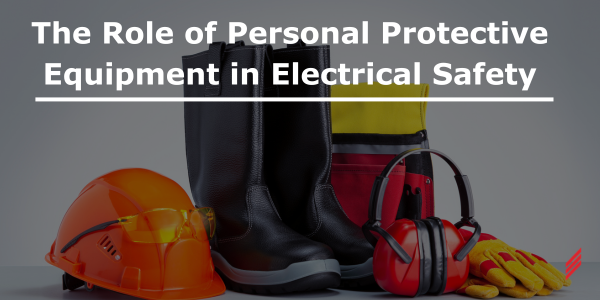
Electrical hazards remain one of the most serious risks in industrial environments. Employees who work around energized systems, switchgear, machinery, and electrical components face potential exposure to electric shock, arc flashes, burns, and blast-related injuries. Because these hazards can result in severe injury or fatalities, Personal Protective Equipment (PPE) plays a critical role in protecting workers when engineering controls and safe work practices alone are not enough. PPE serves as the final layer of defense and is an essential part of any comprehensive electrical safety program.
Industrial electrical hazards can take several forms. Electric shock occurs when a person comes into contact with an energized conductor or component, allowing electrical current to pass through the body. Arc flashes are another major hazard and involve a sudden release of electrical energy through the air, producing extremely high temperatures, intense light, and molten metal. In some cases, an arc flash can also create an arc blast, which generates dangerous pressure waves capable of causing hearing damage, blunt-force injuries, or falls. Burns from direct contact with energized equipment or thermal exposure are also common risks in electrical incidents.
Types of PPE Used in Electrical Safety
Flame-Resistant and Arc-Rated Clothing
One of the most important forms of protection is Flame-Resistant (FR) clothing. FR garments are specifically designed to self-extinguish and reduce burn injuries during an electrical incident. Depending on the task and hazard level, workers may wear FR coveralls, jackets, shirts, or pants made from certified materials such as Nomex® or other arc-rated fabrics. It is important to note that FR clothing should also be arc-rated when there is a potential arc flash hazard. Workers should avoid wearing highly flammable synthetic materials underneath FR garments, as these can melt and worsen injuries during exposure to heat or flame.
Arc Flash Suits
For high-risk electrical work, arc-rated suits provide additional protection against the extreme heat generated by an arc flash. These suits typically include an arc-rated hood or face shield, jacket, bib overalls or pants, gloves, and other protective components designed to minimize thermal injury. PPE used for arc flash protection should be selected based on the calculated incident energy level of the equipment, which is measured in calories per square centimeter (cal/cm²). Proper fit is essential, as exposed skin can still suffer severe burns during an incident.
Rubber Insulating Gloves
Rubber insulating gloves are another critical component of electrical PPE and are often the primary protection against electric shock. These gloves are manufactured and tested according to standards such as ASTM D120 and must match the voltage level of the equipment being serviced. Leather protector gloves are worn over the rubber gloves to prevent punctures and physical damage. Before each use, workers should inspect insulating gloves for holes, tears, contamination, or signs of deterioration, and gloves should be stored away from heat, sunlight, and chemicals that could degrade the material.
Eye, Face, and Head Protection
Eye and face protection are equally important in industrial electrical safety. Safety glasses protect against flying debris and particles, while arc-rated face shields and hoods protect workers from intense light, heat, and molten metal generated during an arc flash. Damaged or scratched face protection should never be used because visibility and impact resistance may be compromised. In many industrial environments, non-conductive hard hats are also required to protect workers from both head injuries and accidental electrical contact.
Insulating Matting
Additional protective measures may include rubber insulating matting placed around energized equipment. These mats help reduce the risk of shock by insulating workers from ground potential while they operate or maintain electrical systems. Like all PPE, insulating mats must be inspected regularly and rated appropriately for the voltage exposure present in the work area.
PPE Selection, Inspection, and Training
While PPE is essential, its effectiveness depends heavily on proper training and maintenance. Workers must understand electrical hazards, know how to inspect and wear PPE correctly, and recognize when equipment should be removed from service. Employers should also ensure compliance with applicable safety standards such as OSHA regulations and NFPA 70E, which provide guidance for electrically safe work practices and arc flash protection.
Selecting the correct PPE ultimately depends on the specific task and hazard assessment. Low-voltage troubleshooting may require only basic protective equipment, while energized work involving higher voltages or elevated incident energy levels may demand full arc flash protection. Even when equipment has been de-energized, workers should continue using appropriate PPE until the absence of voltage has been properly verified.
PPE requirements should always be determined through a documented hazard assessment and based on applicable OSHA and NFPA 70E requirements.
Frequently Asked Questions About Electrical PPE
What PPE is required for electrical work?
The PPE required for electrical work depends on the task being performed and the hazards present. Common electrical PPE includes arc-rated clothing, rubber insulating gloves, face shields, hard hats, safety glasses, and other protective equipment selected through a hazard assessment.
What is the difference between flame-resistant and arc-rated clothing?
Flame-resistant (FR) clothing is designed to self-extinguish and reduce burn injuries. Arc-rated clothing has been tested to withstand a specific level of incident energy from an arc flash and should be used when arc flash hazards are present.
How often should electrical PPE be inspected?
Electrical PPE should be inspected before each use. Workers should look for damage, contamination, wear, or deterioration that could reduce the equipment's protective capabilities.
Does PPE eliminate electrical hazards?
No. PPE is considered the last line of defense. Effective electrical safety programs combine hazard assessments, lockout/tagout procedures, equipment maintenance, employee training, safe work practices, and properly selected PPE.
Electrical PPE Is Only One Part of Safety
PPE is a critical part of protecting workers from electrical hazards, but it is only one component of a comprehensive safety strategy. Effective electrical safety programs combine hazard assessments, arc flash studies, lockout/tagout procedures, equipment maintenance, employee training, and properly selected PPE. Together, these measures help reduce risk, support compliance, and create a safer work environment for everyone who works around electrical systems.
About the author
Steven graduated from North Carolina State University in 2020 with a bachelor’s degree in electrical engineering. He spent a year after graduating volunteering with a non-profit organization dedicated to spreading renewable energy systems to rural locations in Uganda. In the summer of 2021, Steven joined the Arc Flash team in the North Carolina office of Hallam-ICS. Outside of work, Steven enjoys playing video games, rock wall climbing, and meeting new people.
Read My Hallam Story
About Hallam-ICS
Hallam-ICS is an engineering and automation company that designs MEP systems for facilities and plants, engineers control and automation solutions, and ensures safety and regulatory compliance through arc flash studies, commissioning, and validation. Our offices are located in Massachusetts, Connecticut, New York, Vermont, North Carolina and Texas and our projects take us world-wide.
You May Also Like
These Related Stories

Top 5 Data Points You Need Before an Arc Flash Study
How Protective Device Coordination Affects Arc Flash Energy

No Comments Yet
Let us know what you think